Turn Followers Into Loyal Customers
WHAT IS SOCIAL MEDIA MARKETING ( SMM ) ?
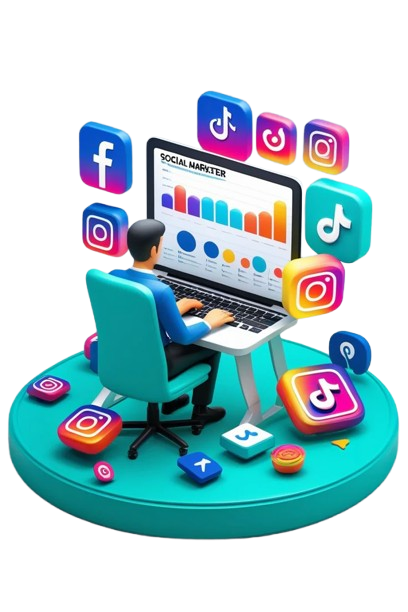
Social Media Marketing (SMM) :is the process of promoting a business, brand, product, or service through social media platforms such as Facebook, Instagram, LinkedIn, YouTube, X (Twitter), and Pinterest. It helps businesses connect with their target audience, build trust, increase brand awareness, and grow sales. Today, billions of people use social media every day. Instead of waiting for customers to find your business, Social Media Marketing allows you to reach them where they already spend their time. Social Media Marketing works by creating and sharing valuable content that attracts and engages people. This content can include images, videos, reels, stories, carousels, blog links, polls, and live sessions. The goal is to provide useful information, entertain your audience, answer their questions, and encourage them to interact with your brand.
Choose the Right Social Media Platform for Your Business



YouTube – The world's largest video-sharing platform where businesses can publish tutorials, product demonstrations, educational content, customer testimonials, and promotional videos to reach a global audience.
Pinterest – Pinterest is a visual discovery platform where users search for ideas and inspiration through images called Pins. People use Pinterest to discover content related to fashion, home décor, recipes, ETC Businesses use Pinterest to showcase their products, increase brand visibility,.
Instagram – A highly visual platform that focuses on photos, reels, stories, and short videos. It is perfect for showcasing products, building a strong brand identity, collaborating with influencers, and engaging younger audiences.
Simple Social Media Strategies to Grow Your Business
A successful Social Media Marketing strategy helps businesses connect with the right audience, increase engagement, and achieve their marketing goals. Here are some simple yet effective strategies every business should follow: Set Clear Goals: Decide what you want to achieve, such as increasing brand awareness, driving website traffic, generating leads, or boosting sales. Know Your Target Audience: Understand your audience's age, interests, location, and online behavior so you can create content they enjoy and find valuable. Choose the Right Platform: Not every social media platform is suitable for every business. Select the platforms where your target audience is most active. Create Valuable Content: Share informative, entertaining, and engaging content such as images, videos, reels, stories, infographics, and blogs that provide value to your audience. Post Consistently: Regular posting keeps your audience engaged and helps your brand stay visible. Create a content calendar to maintain consistency. Engage with Your Audience: Reply to comments, answer messages, and interact with your followers. Building relationships increases trust and customer loyalty. Use Hashtags Wisely : Relevant hashtags help your content reach more people who are interested in your products or services. Monitor Your Performance: Track important metrics such as reach, engagement, clicks, and conversions. Analyze the results and improve your strategy based on what works best.
What is Marketing ?
Marketing : is the process of promoting and selling products or services by understanding customer needs and encouraging them to make a purchase. It involves creating awareness, attracting potential customers, building trust, and maintaining long-term relationships. Marketing is not just about selling a product—it is about delivering the right product or service to the right people at the right time through the right channels.
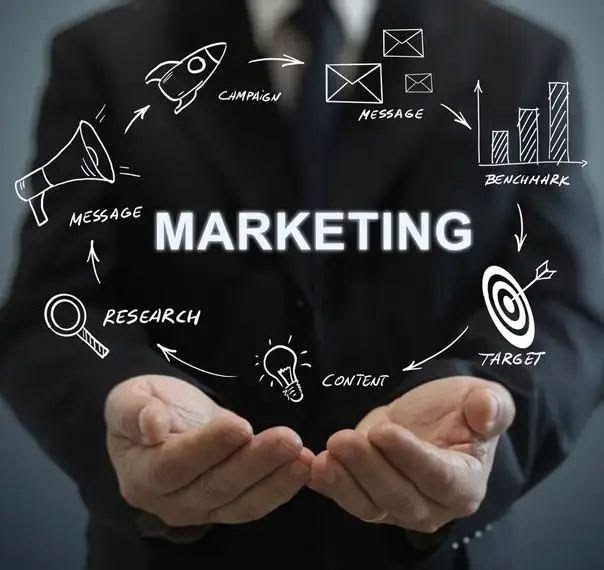
THERE ARE TWO TYPES OF MARKETING ?
ORGANIC MARKETING ?
Organic Marketing: is the process of promoting a business without paying for advertisements. It focuses on creating valuable content and building trust with your audience over time. Although it takes time to see results, it helps create long-term growth and loyal customers. Examples of Organic Marketing: Posting regularly on social media , Writing blog articles, Improving website SEO, Creating YouTube videos, Sending free email newsletters ,Engaging with followers through comments and messages. Benefits of Organic Marketing : No advertising cost Builds trust and credibility Provides long-term results Increases brand awareness naturally Creates loyal customers
PAID MARKETING ?
Paid Marketing : is the process of promoting a business by paying advertising platforms to display your products or services to a targeted audience. It helps businesses get faster results and reach more people in a short period of time. Examples of Paid Marketing: Google Ads Facebook Ads, Instagram Ads, LinkedIn Ads, YouTube Ads, Sponsored posts. Benefits of Paid Marketing: Delivers quick results, Reaches a larger audience ,Targets specific customers based on age, location, interests, and behavior , Generates leads and sales faster, Increases website traffic instantly.
Grow Your Business Organically Without Spending Money
Content Calendar: is a schedule that helps you plan, organize, and publish your social media content in advance. It tells you what to post, when to post, and on which social media platform. A well-planned content calendar saves time, maintains consistency, and keeps your audience engaged.
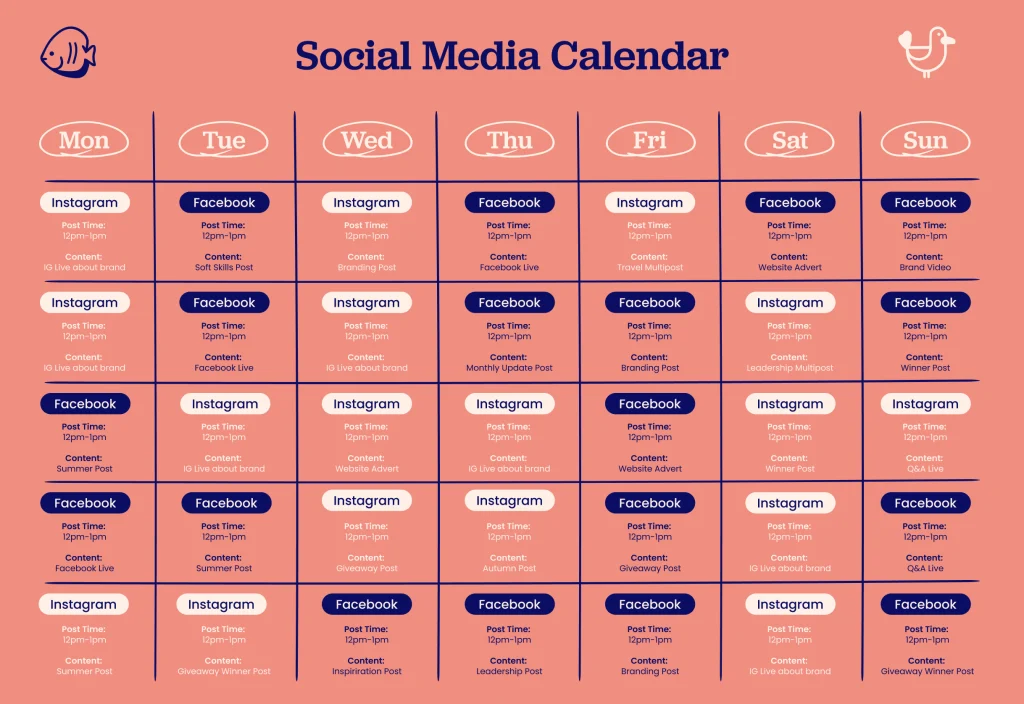
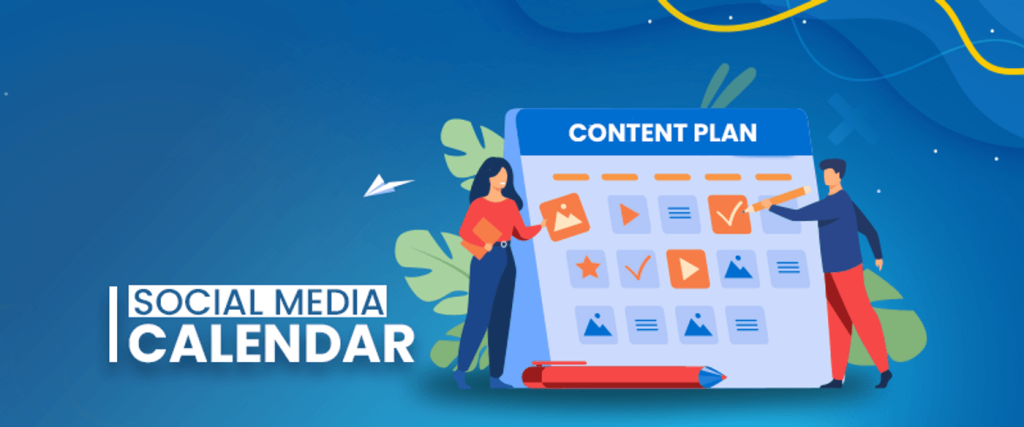
Example of a Weekly Content Calendar : DAY : MONDAY : EDUCATIONAL TIPS, TUESDAY : PRODUCT OR SERVICE SHOWCASE , WEDNESDAY : CUSTOMER TESTIMONIALS , THURSDAY : BEHIND THE SCENE CONTENT ,FRIDAY: SHORT VIDEO ,SATURDAY : POLL,QUIZ,: SUNDAY : WEEKLY RECAP. A Content Calendar is one of the simplest and most effective organic marketing strategies. By planning and sharing valuable content consistently, businesses can grow their online presence, build customer trust, and attract new audiences without spending money on advertisements.
Accelerate Your Business Growth with Paid Marketing

Brand Awareness : objective helps introduce your business, product, or service to as many people as possible. It is ideal for new businesses or brands that want to increase their visibility and become recognizable. Example: A newly launched clothing brand runs Facebook and Instagram ads to let people know about its products.
Sales : objective is designed to encourage people to purchase your products or services. These campaigns focus on increasing conversions, online orders, bookings, or purchases. Example: An online electronics store advertises a smartphone with a limited-time discount to increase sales.
Lead Generation: objective helps businesses collect valuable customer information such as names, email addresses, and phone numbers. This information can be used later to contact potential customers and convert them into buyers. Example: A real estate company collects contact details from people interested in buying a new home.
Traffic: objective is used to send visitors to your website, landing page, online store, or blog. It is useful when you want people to learn more about your business or explore your products and services. Example: A digital marketing institute runs an ad that directs users to its course page.
Meta Business Suite: is a free tool provided by Meta that helps businesses manage their Facebook and Instagram accounts from one place. It allows users to create posts, schedule content, reply to messages, view insights, and run advertising campaigns efficiently.