Must-Have Digital Marketing Tools for Beginners (Free & Paid)
A new freelancer once spent her entire first paycheck on five different premium marketing tools, convinced professional software was the missing ingredient behind bigger, more established competitors. Months later, she realized she was barely using most of them, while a single free tool she’d initially overlooked was doing ninety percent of the actual heavy lifting. Tools matter, but knowing which ones genuinely matter matters even more. We just explored how to land your first freelance client. Now let’s look at the practical toolkit worth building early, so you can actually deliver strong work once that first opportunity arrives. Why Tool Choice Deserves Careful Thought It’s tempting to assume more expensive, more advanced tools automatically produce better results. In reality, most beginners genuinely need only a small handful of reliable tools, used consistently and well, rather than an overwhelming collection of software that ends up mostly unused. The goal isn’t collecting tools — it’s choosing the smallest, most effective set that lets you actually execute your work confidently.
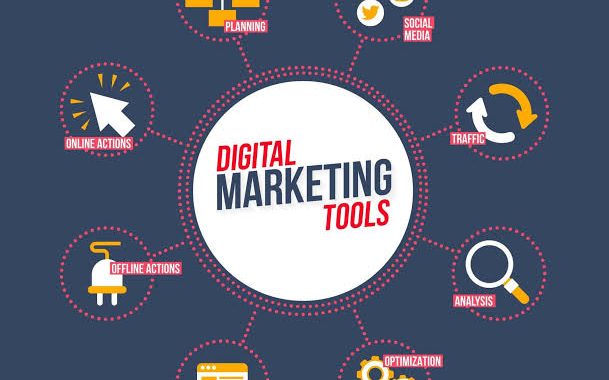
Analytics and Data Tools Google Analytics — As covered earlier in this series, this free tool remains the standard for understanding website visitor behavior, and is genuinely essential for anyone working in digital marketing, regardless of specialization. Google Search Console — A free companion tool that shows exactly how your website performs specifically within Google search results, including which search terms bring in visitors. Content Planning and Scheduling Tools A simple spreadsheet or free planning tool — As discussed in our earlier post on content calendars, you don’t need expensive software to plan content effectively; a well-organized spreadsheet works perfectly well for beginners. Social media scheduling platforms — Many offer free tiers allowing you to plan and automatically publish posts across multiple platforms in advance, saving significant daily time. Design Tools Free, browser-based design platforms — Modern design tools have made it possible to create genuinely professional-looking graphics without needing traditional, expensive design software or advanced technical skill. Stock photo and video libraries — Many platforms offer free, high-quality images and video clips, useful when you don’t have original photography or footage available. SEO and Keyword Research Tools Free keyword research tools — Several platforms offer limited free access to see approximately how often specific search terms are used, helping guide which topics are genuinely worth writing about. Basic website audit tools — Free tools exist that scan your website and highlight simple technical SEO issues, like slow loading speed or missing page descriptions. Email Marketing Tools Free-tier email marketing platforms — Most major email tools offer a free plan for smaller subscriber lists, allowing beginners to build and manage an email list without upfront cost until it grows significantly. AI-Assisted Tools As covered earlier in our AI-focused section, generative AI tools have become genuinely useful for brainstorming, drafting, and speeding up content creation — provided outputs are always fact-checked and refined with your own voice and judgment before publishing.
How to Decide What You Actually Need Start with your specific focus area. Someone specializing in social media doesn’t necessarily need advanced SEO software immediately, while someone focused on content writing may prioritize keyword research tools first. Choose free versions first. Most beginners can accomplish a genuinely impressive amount using free tiers alone, upgrading to paid versions only once a clear, specific limitation actually gets in the way. Avoid tool-hopping. Constantly switching between different platforms searching for a “better” option often wastes more time than simply committing to learning one solid tool thoroughly. A Simple Example Imagine a beginner freelancer specializing in social media management for small local businesses. Rather than purchasing several expensive, advanced platforms right away, she starts with a free scheduling tool, a free design platform for creating simple graphics, and Google Analytics to track how her content affects website traffic for clients who have one. As her client base grows and her needs become more specific — managing multiple accounts simultaneously, for instance — she eventually upgrades to a paid scheduling tool offering more advanced features, but only once her actual workload clearly justified the added cost. When Paid Tools Genuinely Become Worth It When free tiers create a genuine bottleneck. If a free tool’s limitations are actively slowing down your work or limiting how many clients you can realistically manage, upgrading often pays for itself quickly. When a specific paid feature solves a recurring problem. Rather than upgrading for general “more features,” look for one specific capability that directly addresses a real challenge you’re currently facing. When it noticeably improves the quality or speed of client deliverables. If a paid tool genuinely allows you to deliver stronger results faster, the investment often justifies itself through improved client satisfaction and referrals.
Common Mistakes Beginners Make With Tools Buying expensive tools before understanding basic fundamentals. Advanced software doesn’t replace genuine understanding of strategy and audience — it simply executes your decisions faster once you already know what you’re doing. Assuming more tools automatically mean better results. A small, well-used toolkit consistently outperforms a large, underutilized collection of software subscriptions. Ignoring free trials before committing to paid plans. Testing a tool thoroughly during a free trial period helps confirm it genuinely fits your workflow before committing financially. Why Building This Toolkit Early Pays Off Tools for analytics and reporting offer vital information about consumer behaviour, allowing for ongoing optimisation for higher marketing returns. Long after you stop doing the original labour, assets like social media audiences, email subscriber lists, and SEO increase in value. Becoming comfortable and efficient with a focused set of tools early in your journey builds genuine confidence and speed, both valuable when pitching potential clients or interviewing for marketing roles. Employers and clients alike tend to notice candidates who can demonstrate hands-on familiarity with commonly used tools, rather than only theoretical knowledge. What’s Next? As you build practical skills and tool familiarity, a natural question often follows: are formal certifications worth pursuing alongside this hands-on experience? In the next post, we’ll take an honest look at what digital marketing certifications are genuinely worth in today’s job market.