What Is Digital Marketing? A Beginner’s Roadmap for 2026

Picture this: you open your phone, scroll through Instagram, watch a YouTube video, check your email, and maybe order something online — all before you’ve even had your morning coffee. Somewhere in that fifteen-minute window, a brand tried to catch your attention at least half a dozen times. That, in the simplest possible terms, is digital marketing in action.
If you’ve ever wondered what digital marketing actually means beyond the buzzword, you’re in the right place. This guide breaks it down in plain language, no confusing jargon, no assumptions that you already know what a “funnel” or a “CTR” is. By the end, you’ll understand exactly what digital marketing is, why it matters, and how all its moving parts fit together.
So, What Exactly Is Digital Marketing?
Digital marketing is the practice of promoting products, services, or brands using digital channels — think websites, search engines, social media, email, and mobile apps — instead of traditional methods like TV ads, billboards, or newspaper listings.
In short: it’s marketing that happens wherever people spend time on a screen.
The goal hasn’t changed from traditional marketing — you still want to reach the right people, build trust, and eventually turn them into paying customers. What’s changed is the battlefield. Fifty years ago, a business fought for attention on a printed page. Today, it fights for attention in a crowded, scrolling, notification-filled digital space.
Why Digital Marketing Took Over
A few decades ago, if a small bakery wanted to advertise, its options were limited — maybe a local newspaper ad or a flyer on a community board. Reach was small, and results were nearly impossible to measure.
Now that same bakery can post a reel showing fresh croissants coming out of the oven, run a five-dollar ad targeting people within a three-kilometer radius, and track exactly how many people saw it, clicked it, and walked through the door. That’s the real power shift: digital marketing didn’t just move marketing online — it made marketing measurable, targeted, and accessible to businesses of every size.
Here’s why it has become the dominant form of marketing:
It reaches people where they already are. People aren’t waiting for the evening news to find out about new products; they’re already online, scrolling.
It’s measurable, down to the click. You can see exactly how many people viewed your ad, clicked your link, or abandoned their cart — something traditional billboards could never tell you.
It levels the playing field. A one-person business with a smart strategy can outperform a big brand with a bloated budget, simply by being sharper and more relevant online.
It’s flexible and fast. A traditional ad campaign might take weeks to launch. A digital campaign can go live in an afternoon — and be tweaked the moment it isn’t working.
The Core Pillars of Digital Marketing
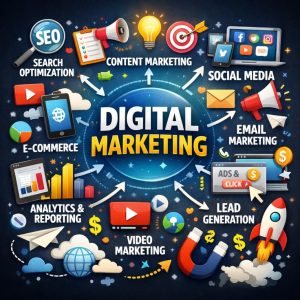
Digital marketing isn’t one single skill — it’s an umbrella term covering several connected disciplines. Think of it like a toolbox: each tool does a different job, but together they build the full picture.
1. Search Engine Optimization (SEO)
This is the practice of improving your website so it shows up naturally when people search on Google or other search engines. If someone types “best bakery near me” and your website appears on page one, that’s SEO doing its job quietly in the background.
2. Content Marketing
This is about creating valuable, useful, or entertaining content — blog posts, videos, infographics — that draws people in without directly shouting “buy now.” It builds trust first and sales later. This very blog post you’re reading is content marketing.
3. Social Media Marketing
Using platforms like Instagram, LinkedIn, YouTube, or Pinterest to build a community, share updates, and engage directly with your audience through comments, stories, and posts.
4. Pay-Per-Click Advertising (PPC)
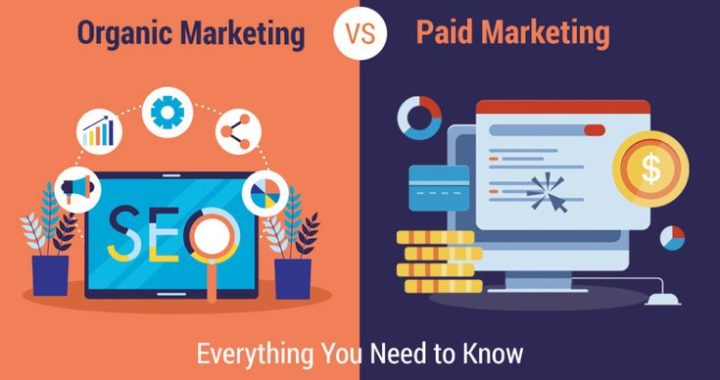
Paid ads that appear on search engines or social platforms, where you pay only when someone actually clicks. It’s a fast way to get visibility while your organic efforts (like SEO) grow in the background.
5. Email Marketing
Despite being one of the oldest digital tools, email remains one of the highest-return channels available. It’s how businesses nurture relationships directly, without depending on an algorithm’s mood.
6. Affiliate and Influencer Marketing
Partnering with other creators or websites who promote your product to their own audience, usually in exchange for a commission or fee.
7. Analytics and Data
The behind-the-scenes engine of digital marketing. Every click, scroll, and purchase leaves a data trail, and analyzing that trail is how marketers know what’s working and what needs fixing.
Each of these pillars can be its own career path — but understanding how they connect is what separates a good marketer from a great one.
How Digital Marketing Actually Works: A Simple Example
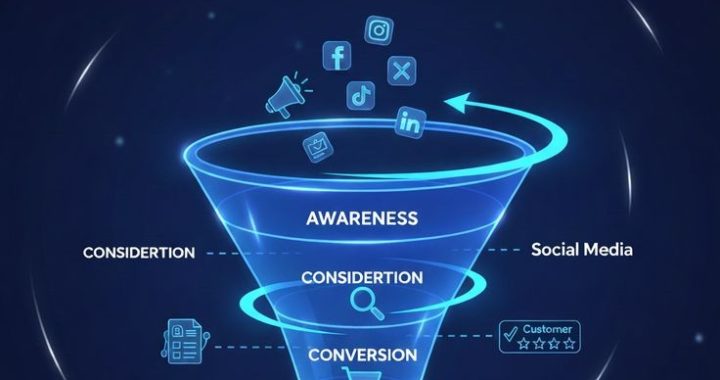
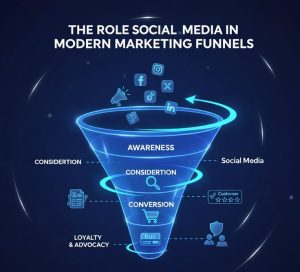
Let’s say you run an online store selling handmade candles. Here’s how digital marketing might guide a single customer’s journey:
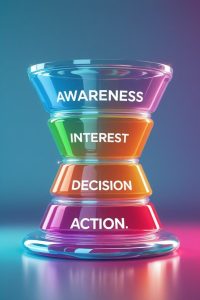
- Awareness — She discovers your candle through an Instagram reel or a Google search for “relaxing home fragrance ideas.”
- Interest — She clicks through to your blog post about the benefits of soy wax candles, and now recognizes your brand name.
- Consideration — She signs up for your email list after seeing a small discount pop-up.
- Conversion — A well-timed email with a limited offer convinces her to make her first purchase.
- Loyalty — After a great unboxing experience, she follows you on social media and becomes a repeat customer — maybe even tells a friend.
Every step in that journey involved a different digital marketing tool working together. That’s the real magic of digital marketing: it’s rarely just one tactic — it’s a coordinated system.
Common Myths About Digital Marketing

“It’s only for big companies with big budgets.” False. Some of the most effective digital campaigns come from small, local businesses that understand their audience better than a huge corporation ever could.
“Posting on social media is the whole strategy.” Social media is one piece, not the entire puzzle. Without SEO, email, or a clear website, posts alone rarely convert into long-term customers.
“It’s all about going viral.” Virality is a bonus, not a strategy. Sustainable growth usually comes from consistency, not a single lucky post.
Why This Matters for You
Whether you’re a business owner trying to grow, a student exploring career options, or simply someone curious about how brands reach you online, understanding digital marketing gives you a lens into how the modern world runs. Nearly every business — from a neighborhood tailor to a global tech company — now depends on some form of digital marketing to survive and grow.
And the best part? You don’t need a marketing degree to get started. You need curiosity, a willingness to experiment, and a basic understanding of the tools available — which is exactly what this blog series is here to build with you, one topic at a time.
What’s Next?
Now that you understand what digital marketing is at its core, the natural next question is: how do people actually get found on Google? That’s where SEO comes in — and it’s exactly what we’ll break down, in equally simple terms, in the next post.
Stay tuned, and welcome to the world of digital marketing.