Paid vs Organic Marketing: Where Should Beginners Start?
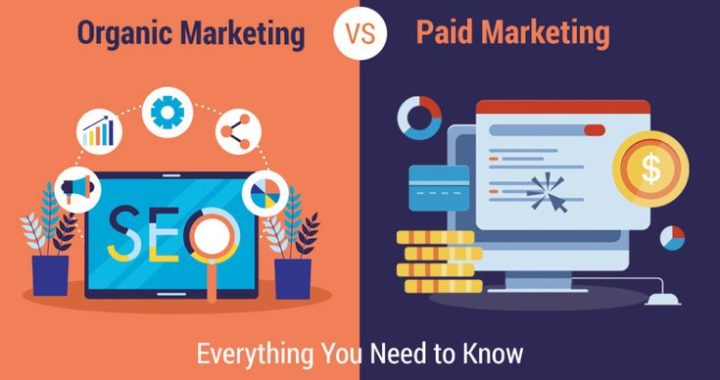
If you’ve ever felt torn between “should I run ads?” and “should I just focus on growing naturally?” — you’re asking one of the most common questions in digital marketing. And the honest answer isn’t as simple as picking a side. It’s about understanding what each approach actually does, and when to lean on which one. In our last two posts, we covered what digital marketing is and how SEO helps you get found organically. Today, we’re addressing the debate that trips up nearly every beginner: paid marketing versus organic marketing. What Do “Paid” and “Organic” Actually Mean? Organic marketing refers to any traffic or attention you earn without directly paying for placement — think SEO, social media posts, word of mouth, or content marketing. It grows naturally over time, built on relevance and trust. Paid marketing refers to traffic or visibility you buy directly — search ads, social media ads, sponsored posts, or influencer partnerships you pay for. The moment your budget stops, so does the visibility. Neither one is inherently “better.” They simply serve different purposes, and the smartest marketers use both, at different stages, for different goals. The Core Difference: Speed vs Sustainability Here’s the simplest way to picture it:
Paid marketing is like renting a shop in a busy mall. The moment you pay rent, people walk past and notice you. The moment you stop paying, that visibility disappears completely. Organic marketing is like building your own storefront on a street corner. It takes longer to construct, and foot traffic starts slow — but once it’s built and people know it’s there, it keeps bringing customers back, month after month, without an ongoing rental bill. Neither is wrong. A brand-new business often needs the mall’s instant foot traffic to survive early on, while relying purely on organic growth alone can feel painfully slow. But over years, that self-owned storefront often becomes the more valuable, cost-efficient asset. Paid Marketing: The Fast Lane Paid marketing includes things like: Google Ads (search and display) Instagram and Facebook ads YouTube pre-roll ads Sponsored influencer posts LinkedIn sponsored content The biggest advantage of paid marketing is speed. You can launch a campaign this afternoon and start seeing traffic within hours. It’s also highly targeted — you can choose exactly who sees your ad, based on location, age, interests, or even browsing behavior. The tradeoff is that it’s a rented spotlight. Stop paying, and your visibility vanishes overnight. It can also get expensive quickly, especially in competitive industries where many businesses are bidding for the same audience’s attention.
Organic Marketing: The Long Game Organic marketing includes things like: SEO-optimized blog content Social media posts and community engagement Email newsletters built from genuine subscribers Word-of-mouth and referral growth The biggest advantage here is durability. A well-written blog post or a genuinely useful video can keep attracting visitors for years without additional spending. It also tends to build deeper trust, since people know you weren’t paying to be in front of them — you earned that spot. The tradeoff is time. Organic growth rarely happens overnight. It can take weeks or months of consistent effort before you start seeing meaningful traction. A Simple Way to Decide Where to Start Ask yourself these three questions: 1. Do I need results immediately, or can I invest in the long term? If you’re launching a time-sensitive offer or a new product that needs visibility right now, paid marketing gets you there faster. If you’re building a brand meant to last years, organic deserves serious early investment. 2. What’s my budget? If your budget is tight, organic marketing lets you grow using time and effort instead of cash. If you have some budget to test with, even a small, well-targeted ad spend can help you learn quickly what resonates with your audience. 3. Am I trying to test an idea, or scale a proven one? Paid ads are excellent for quickly testing which message, image, or offer performs best. Once you know what works, organic content can help you scale that same message more sustainably. The Beginner-Friendly Approach: Start Organic, Use Paid to Accelerate For most beginners with limited budgets, a hybrid mindset works best:
Step 1: Start building organic assets early — a blog, a social media presence, an email list. These take time to grow, so the earlier you start, the better. Step 2: Once you notice which content or offers naturally perform well organically, put a small paid budget behind those proven winners to accelerate their reach. Step 3: Reinvest what you learn from paid campaigns — which headlines work, which images get clicks — back into your organic content strategy. This way, paid and organic aren’t competing strategies. They’re feeding each other. A Real-World Example Let’s return to our handmade candle business one more time. Early on, with a small budget, the owner starts a blog covering home fragrance tips — pure organic content, slow but free. A few months in, one post about “cozy autumn scents” starts getting noticeable traffic on its own. Seeing this early signal, she puts a small ad budget behind that same topic, promoting it to a wider, similar audience. The ad performs well because the organic content already proved people cared about it. That’s the paid-organic loop working exactly as intended — each one making the other stronger. Common Myths Worth Clearing Up
“Paid ads guarantee sales.” Ads bring visibility and clicks, not automatic sales. Without a good offer, website, or clear message, paid traffic can disappear without converting into customers. “Organic marketing is completely free.” Organic isn’t free — it costs time, consistency, and effort, which are resources too. It’s “unpaid” in the direct financial sense, not effortless. “You have to pick one and stick with it forever.” Most successful brands blend both, adjusting the ratio depending on their goals, season, or budget at any given time. What’s Next? Whether someone finds you through a paid ad or an organic blog post, the real work has only just begun the moment they land on your page. That’s where the idea of a marketing funnel comes in — the journey that turns a curious stranger into a loyal customer. That’s exactly what we’ll unpack in the next post.