What Is a Marketing Funnel? Turning Strangers into Customers
Think about the last thing you bought that you didn’t plan on buying. Maybe it started with a random reel, then a visit to the brand’s website, then a comparison with another product, and finally, a purchase a few days later. You didn’t wake up planning to buy it — something guided you there, step by step. That invisible guide is called a marketing funnel. We’ve covered what digital marketing is, how SEO works, and the difference between paid and organic growth. Now it’s time to connect the dots and understand the actual journey a person takes before becoming a customer.
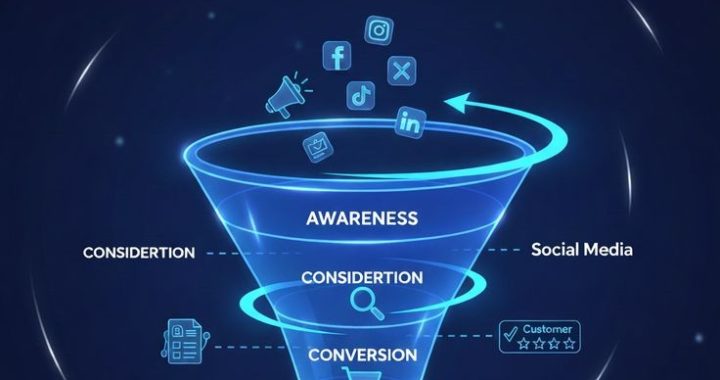
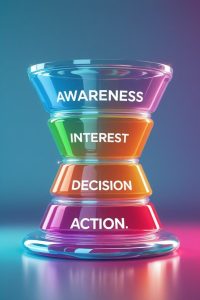
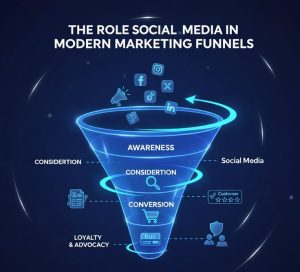
What Is a Marketing Funnel, Really? A marketing funnel is a visual way of representing the journey someone takes from first discovering your brand to finally becoming a paying, loyal customer. It’s called a “funnel” because, just like a real funnel, it’s wide at the top and narrow at the bottom. A large number of people become aware of your brand, but only a smaller fraction of them eventually make a purchase — and an even smaller group becomes repeat, loyal customers. Understanding this funnel matters because it tells you where people are dropping off, and what kind of message or action they need at each stage to keep moving forward. The Four Core Stages of a Marketing Funnel While different marketers slice this up differently, most funnels boil down to four essential stages.
1. Awareness — “I didn’t know this existed” This is the very top of the funnel, where someone first discovers your brand exists. It could happen through a social media post, a Google search, a friend’s recommendation, or an ad. At this stage, people aren’t ready to buy — they’re just noticing you for the first time. What works here: Educational content, engaging social posts, SEO-optimized blog articles — anything that introduces your brand without pushing a hard sell. 2. Interest — “Okay, tell me more” Once someone notices you, the next stage is building curiosity. They might read a blog post, browse your website, or follow your social media page. They’re evaluating whether you’re relevant enough to keep paying attention to. What works here: Deeper content like how-to guides, product explainer videos, or comparison articles that build understanding and trust. 3. Decision — “Should I actually buy this?” At this stage, the person is seriously considering a purchase but is likely still comparing options. They might check reviews, look at pricing, or read testimonials before making up their mind. What works here: Clear pricing, customer reviews, case studies, limited-time offers, or a simple, reassuring FAQ section that removes last-minute doubts. 4. Action — “Alright, I’m buying it” This is the narrowest part of the funnel — the moment someone actually completes a purchase, signs up, or takes the specific action you wanted. What works here: A smooth, frictionless checkout process, clear calls-to-action, and reassurance like secure payment badges or easy return policies.
Beyond the Purchase: The Loyalty Stage Many beginners assume the funnel ends the moment someone buys — but the smartest brands treat that moment as the beginning of a new relationship, not the finish line. Loyalty — After a good experience, a customer might return, leave a positive review, or refer a friend. This stage turns one-time buyers into long-term supporters, and often costs far less to maintain than acquiring a brand-new customer from scratch. Why the Funnel Concept Actually Matters Without understanding the funnel, many beginners make the same mistake: they try to sell to someone who has never even heard of their brand. That’s like proposing marriage on a first date — it skips several necessary steps of trust-building. The funnel forces you to ask a more useful question: “What does this specific person need to hear right now, based on how much they already know and trust me?” A cold stranger needs an introduction. A curious visitor needs value. Someone comparing options needs reassurance. And a paying customer needs appreciation. A Simple Example of a Funnel in Action Let’s follow someone discovering our familiar candle brand:
Awareness: She sees a short video showing the calming process of hand-pouring candles, and pauses to watch. Interest: Curious, she visits the website and reads a blog post about choosing scents for better sleep. Decision: She’s interested but hesitant, so she checks the reviews section and notices genuinely happy customers describing the scent as “long-lasting and never overpowering.” Action: A small limited-time discount on her first order nudges her to finally complete the purchase. Loyalty: A week later, a simple, friendly follow-up email asking how she’s enjoying the candle makes her feel valued — and she ends up recommending it to a friend. Each stage required a slightly different type of content and message. That’s the funnel working exactly as intended.
Common Mistakes Beginners Make With Funnels Skipping straight to “buy now.” Pushing a sale on someone who just discovered your brand often backfires, since trust hasn’t been built yet. Ignoring the after-purchase stage. Many businesses stop communicating right after a sale, missing a huge opportunity to build loyalty and repeat customers. Assuming everyone moves through the funnel at the same speed. Some people take minutes to decide; others take weeks. Rushing everyone equally often costs you the ones who simply needed more time. How to Start Thinking in Funnels You don’t need complex software to begin. Start by mapping out, in simple terms: How do people typically first discover you? What builds their interest once they know you exist? What convinces them to finally choose you over alternatives? What happens right after they buy — do you say thank you, ask for feedback, or simply go silent? Answering these four questions honestly often reveals exactly where your funnel is leaking potential customers.
What’s Next? Now that you understand the journey someone takes toward becoming a customer, the next natural question is about the type of content that fills each stage of that journey. Specifically — what’s the real difference between content marketing, which builds trust slowly, and advertising, which pushes a message directly? That’s exactly what we’ll explore next.